The Best Tips for Roof Maintenance in the Summer
Summer in Kansas City is hot and humid, and the weather fluctuations can do more damage to your roof than you might think. Your roof is one of the most critical components of your home, but it's also one that gets neglected until problems arise. That's why summer is an essential time for roof maintenance.
Ensure your roof is operating efficiently. Take a short break from your summer activities and follow our roof maintenance tips.
Tip 1: Be Mindful During Rainstorms. Perform a Roof Inspection.
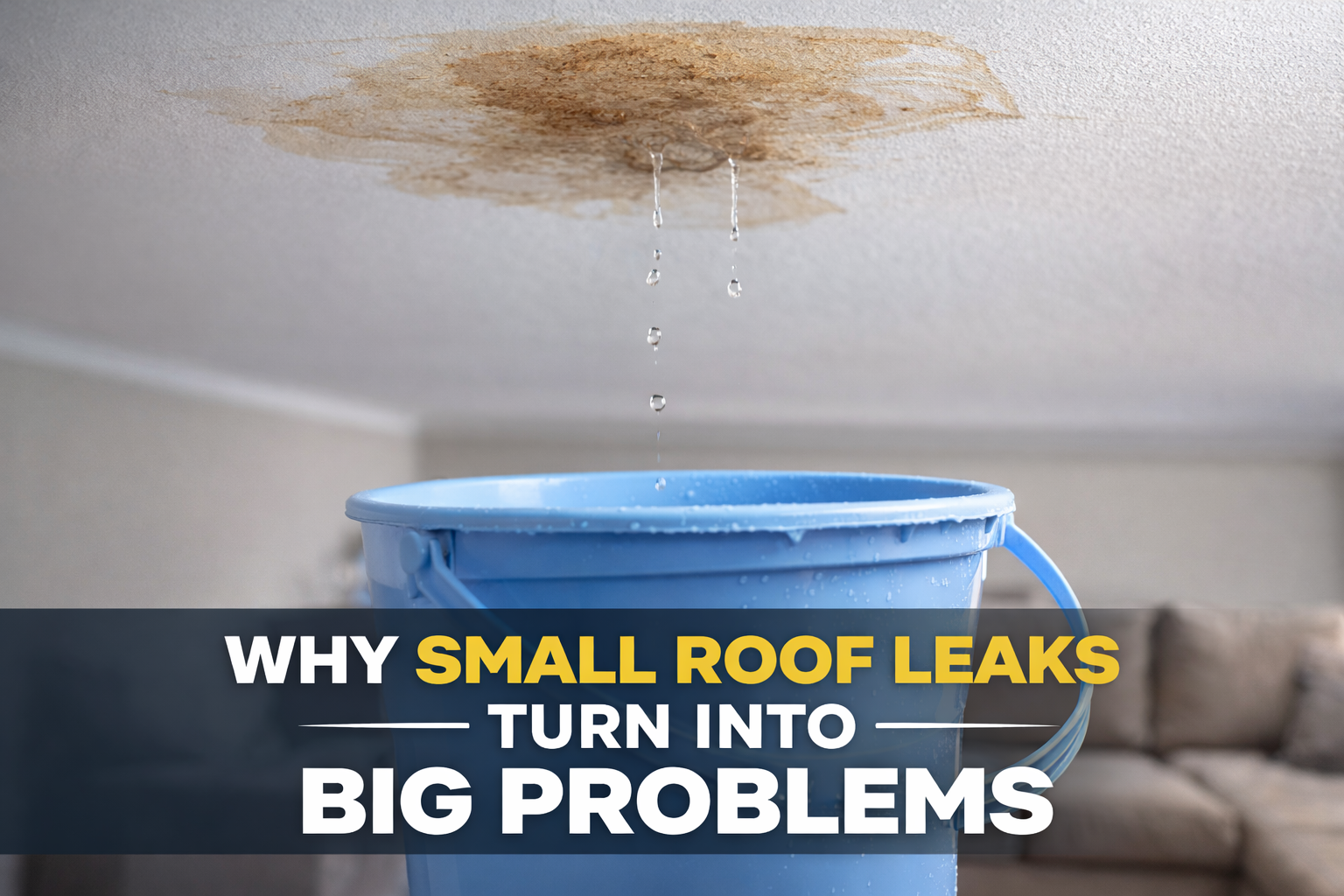
Kansas City might go through weeks of no rain, but when that rain does hit, make it a habit of watching for leaks in your home. Summer rainstorms are the perfect time to check for weak spots that allow water to drip through your roof. Check your attic, ceilings, and walls for wet or discolored areas.
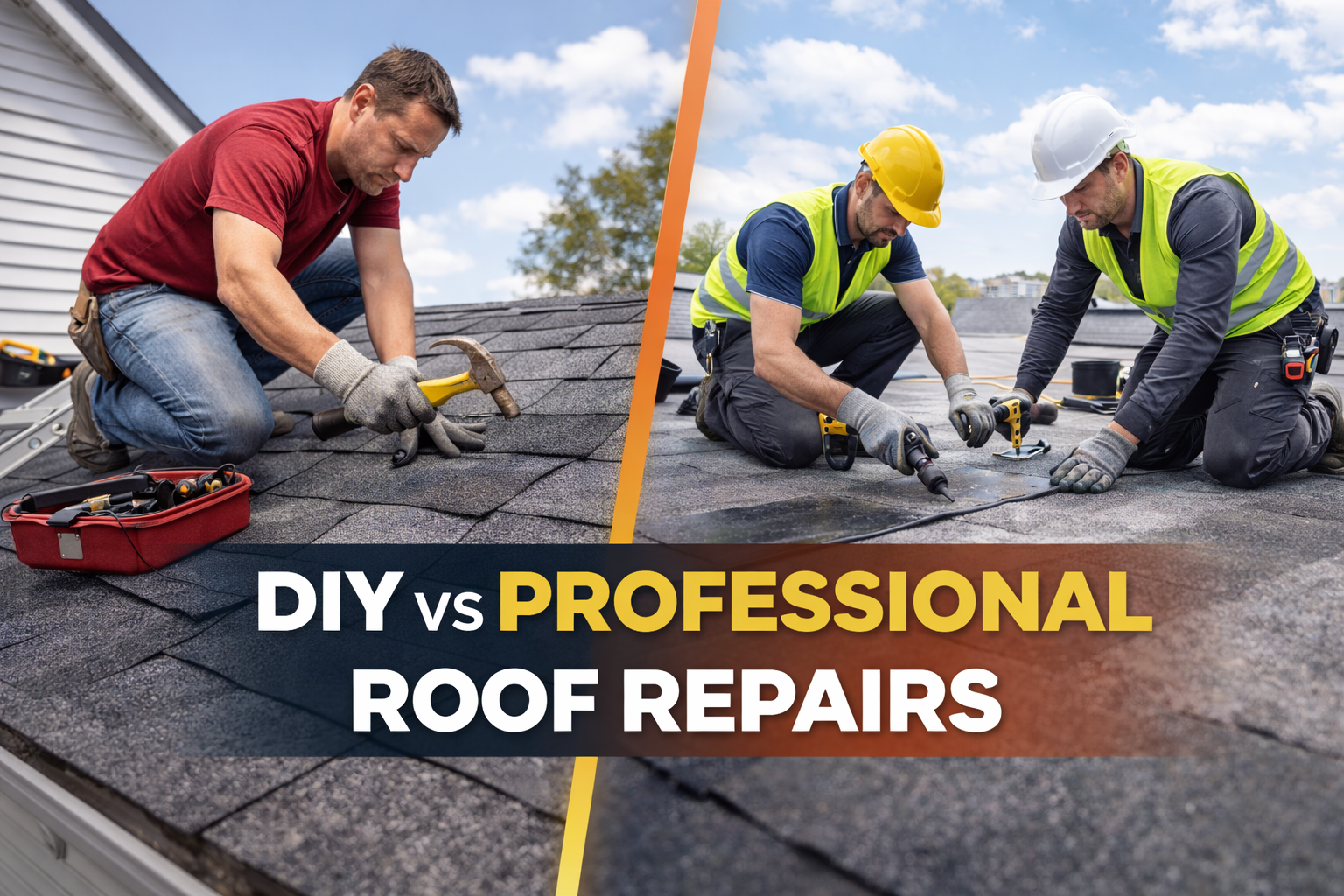
You can also perform a roof inspection on your roof. A DIY roof inspection should be done using proper gear. Make sure you wear shoes that grip, gloves (because it could be hot), and any other protective clothing you might need. Always have someone hold the ladder you climb, and never climb up on the roof when you are home by yourself.
And if you are like many homeowners who don't want to do a DIY roof inspection, call your local roofing contractor to come and inspect your roof and follow up with the needed roof maintenance work.
A roof inspection and maintenance will check the following:
Check the Eaves for Debris & Nests
Once on the roof, you will look under the eaves for debris- such as leaves, sticks, or nests. If you find any debris, clean it up.
Be careful of insects and birds as they like to nest in open areas in your eaves. Rodents, insects, and birds' nests can cause many roof problems. For example, bird droppings are acidic and damage shingles over time. In addition, roof rats, squirrels, or raccoons can burrow through your roof and chew through your electrical insulation. And bats can squeeze into the tiniest openings and roost in your attic. When you spot an open space in your eaves, repair them quickly.
Check for Shingle Damage
Check for loose, torn, dented, or missing shingles. Shingles are exposed to various elements daily and can become worn down or torn off over time. Damaged shingles make your home's interior vulnerable to water seepage and rot.
If you find any damaged shingles, call a local roofing contractor for a bid on your next steps for roof repair or replacement.
Check the Roof's Flashing
Check the roof's flashing. The flashing is the thin material that directs water flow away from critical areas. They are installed to surround vents, chimneys, and skylights. If the flashing is loose, it can cause water leaks when not replaced.
If you find cracked or loose flashing, it's essential to replace or repair them right away. Loose flashing can be screwed back onto the framing to resecure it to your roof. Small holes or cracks can be repaired by cutting some flashing larger than the hole or crack and securing it with roof cement.
Note: We recommend contacting a roofing expert for roof repair services.
Check Your Vents
Good ventilation guarantees the balance of air circulating in the house. And it prevents roof materials from reaching high temperatures. So, check your vents. You can do this by checking your utility bill for any increase not related to seasonal changes. A steady increase could mean you have issues with your ventilation system. You will also want to visit your roof and attic to check the vents and metal stripping. Replace any damaged metal stripping to prevent leaks. And it can improve roof ventilation!
Check Your Skylight
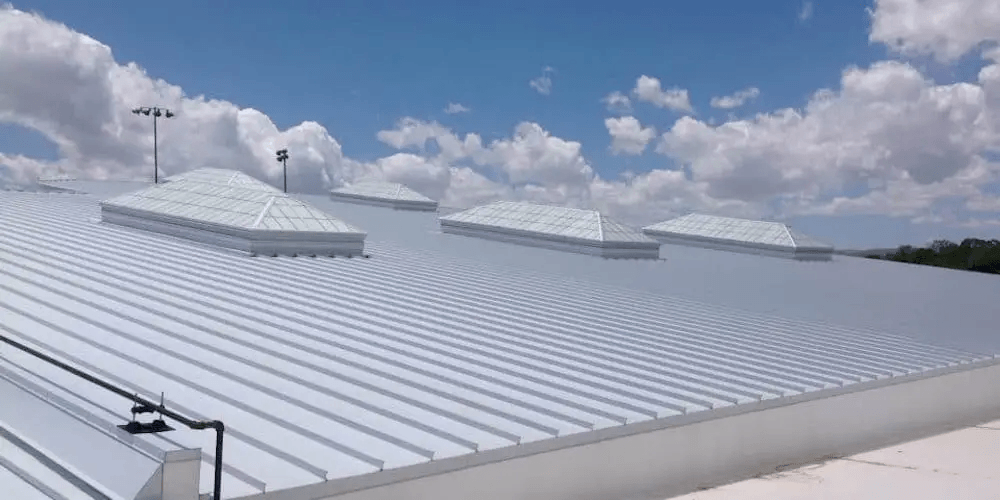
Not all homes have skylights, but if your home has them, they should be checked from the roof several times during the summer. A hail storm could damage the glass or even leave a crack that you can't see from inside the home. You will also want to check the metal stripping around it to ensure it's not leaking.
If you see cracks or damaged glass on the skylight, call your local roofing contractor to replace it. And in the meantime, it might be worth covering with a tarp until repaired or replaced.
Tip 2: Clean the Gutters
No matter what season, gutters should be inspected and cleaned. Gutters and drains direct water away from your home. If they are clogged with leaves and other debris, the excess water may be left sitting on your roof. And that stagnant water will eventually soak through your roof and into your ceiling and walls, putting your home at risk of water damage and mold. Structural damage is something that no homeowner wants to deal with, so take the time to check your gutters before the next big storm.
First, check the gutters and drains around your house, and realign and tighten all the bolts. Then, clean out the gutters, drains, and downspouts.
On the next rain, check to see that everything is flowing correctly. Or, you can run a hose through the gutter system to check for correct flow.
Tip 3: Trim Troublesome Trees
You may have trimmed your trees in the spring or fall, but don't stop in the summer. Look at your landscape and check for branches leaning on your roof or within 6 feet of your roof. Tree branches can scratch and gouge your roofing materials or, worse, fall on your home.
Trim any troublesome tree branches that are getting too close.
Tip 4: Be Aware of Mold, Moss, or Algae
Guess what thrives in Kansas City's humid summer days? Mold, moss, and algae. Inspect your home's interior and exterior.
When temperatures and humidity increase, mold can spread faster. Check walls, ceilings, and the attic for mold. Look for any discoloration like large black or white spots or off-colored wood.
And on your roof, you might find moss or algae. Moss and algae can lead to roof decay. Regular roof checks in the summer can help prevent the accumulation of these microorganisms.
If you see any signs of moss or algae on your roof, you will want to treat it as soon as possible. While using a power washer might seem great, the wrong tip or spraying too close can clean off the granules which protect your shingles from the sun. A better option would be to spray eco-friendly cleaning compounds. Or have copper or zinc strips installed on your roof as a natural prevention.
Ask For Help From Roofing Professionals
Roof maintenance is not a fun summer activity, but it is essential to avoid roof-related issues in the future. Hiring roofing professionals to perform regular maintenance can prevent problems from developing, too.
Are you looking for roofing maintenance in the Kansas City metro area? That's where we come in.
At Accent Roofing Group, we have provided high-quality roofing services to homeowners in Kansas City, Overland Park, Prairie Village, Mission, Olathe, Lenexa, Leawood, Gardner, Raytown, Raymore, Bonner Springs, Spring Hill, and Lee's Summit.
We are licensed, bonded, and insured with an A+ rating with Better Business Bureau (BBB). When you work with us, you will never have to worry about your roof again.
Don’t worry…we’ve got you covered.
You might also like
DIY vs. Professional Roof Repairs: What Homeowners Should Know