DIY vs. Professional Roof Repairs: What Homeowners Should Know

When it comes to roof problems, many homeowners face a common dilemma: should they try to fix it themselves or hire professional roofers? While DIY repairs may seem cost-effective and convenient, roofing can be complex and risky. Understanding the differences between DIY and professional roof repairs can help you make the best decision for your home’s safety, durability, and long-term cost.

The Appeal of DIY Roof Repairs

DIY roof repairs are tempting because they seem faster and cheaper. Homeowners may want to patch a leak, replace a few shingles, or fix minor damage on their own. With online tutorials, videos, and easy-to-buy tools, it may look simple. For very minor issues, DIY work can save money in the short term.

However, roofing is more complicated than it seems. Even small mistakes can lead to water damage, mold growth, or accelerated wear. If you are unsure of the roofing system or lack experience, DIY repairs can turn into a bigger problem.

Common DIY Mistakes

Some typical errors homeowners make when attempting DIY roof repairs include:

  • Using the wrong materials or shingle type
  • Failing to seal flashing around vents or chimneys
  • Incorrect installation of waterproof membranes
  • Ignoring safety measures, which can lead to falls or injury

These mistakes may seem minor but can compromise the entire roof system. Even a small leak left untreated can escalate, causing costly structural damage and interior repairs.

Benefits of Professional Roof Repairs

Hiring professional roofers provides several advantages that DIY work cannot match:

  • Expertise: Roofers know how to identify hidden problems and fix them correctly the first time.
  • Safety: Professionals have proper safety gear, ladders, and training to avoid accidents.
  • Quality Materials: Roofers use industry-grade materials designed to last longer.
  • Warranty & Guarantee: Many roofing companies provide warranties on labor and materials, giving peace of mind.
  • Long-Term Savings: Although professional services cost more upfront, they often prevent repeated repairs and unexpected expenses.

For larger or complex repairs, professional work ensures the roof remains durable, safe, and weatherproof.

When DIY Repairs Might Be Acceptable

Not all roof repairs require professionals. Minor fixes can be done at home safely if you have the right skills, equipment, and materials. Examples include:

  • Replacing a single shingle on a low-slope roof
  • Clearing debris from gutters or small drainage areas
  • Sealing small cracks with appropriate roofing sealant

Even in these cases, caution is necessary. Always prioritize safety and follow manufacturer guidelines for materials.

Risks of Ignoring Professional Help

Trying DIY work beyond your skills can lead to serious consequences:

  • Worsened leaks and water damage
  • Mold growth in attics or ceilings
  • Structural weakening of the roof
  • Higher costs when the mistake requires professional correction

Professional inspections can also detect problems you might not notice, like hidden rot, damaged insulation, or aging flashing.

Safety Considerations

Roof work is dangerous. Falls from height are a major cause of home-related injuries. Professional roofers are trained to handle these risks with proper equipment and techniques. Even a small fall can result in serious injury or worse. If you have any doubt about safely accessing your roof, it’s best to call the experts.

Cost Comparison: DIY vs Professional

DIY repairs may save money upfront, but hidden costs can add up. Material waste, repeated repairs, and potential damage to your home can make DIY repairs more expensive in the long run. Professional repairs require an initial investment, but they often include warranties, high-quality materials, and the expertise needed to prevent recurring issues.

Conclusion

Deciding between DIY and professional roof repairs depends on the size and complexity of the problem, your experience, and safety considerations. Minor issues may be manageable with DIY methods, but most repairs benefit from professional expertise. Hiring skilled roofers ensures your roof is safe, durable, and ready to protect your home for years to come.

When in doubt, consulting a professional is the best choice. Your roof is a long-term investment, and proper repairs now can prevent costly problems in the future.

You might also like

DIY vs. Professional Roof Repairs: What Homeowners Should Know
By Luther Chandler March 20, 2026
A commercial roof is one of the most valuable assets of any business property. It protects your building, equipment, employees, and daily operations from weather damage and structural issues. Because commercial roofs cover large areas and face constant exposure to the elements, regular service and maintenance are essential. At Accent Roofing Group , we help property owners protect their investments with professional commercial roofing services. This checklist will help you understand what to inspect, maintain, and prioritize for long-term roof performance. Schedule Regular Roof Inspections Routine inspections are one of the most important parts of commercial roof care. Small issues can go unnoticed until they become expensive problems. Property owners should schedule inspections: At least twice a year After major storms or high winds Before buying or leasing a property Professional inspections help detect leaks, membrane damage, drainage problems, and structural concerns early. Check for Roof Leaks and Water Damage Water intrusion can quickly disrupt business operations and damage interiors. During inspections, check for: Ceiling stains Damp insulation Mold or mildew odors Dripping water during rain Even minor leaks should be addressed immediately to prevent larger repairs. Inspect Roof Surface Condition The roofing surface should be checked for visible wear or damage. Common issues include: Cracks or punctures Blistering or bubbling Loose seams Pooling water Damaged flashing These warning signs often indicate the need for repair or preventive maintenance. Keep Drains and Gutters Clear Commercial roofs rely on proper drainage systems to remove water efficiently. Blocked drains can cause standing water, which adds weight and increases the risk of leaks. Make sure to regularly remove: Leaves and debris Dirt buildup Blockages in gutters and downspouts Clean drainage systems help extend roof lifespan. Review HVAC and Rooftop Equipment Areas Many commercial buildings have HVAC units, vents, or other equipment installed on the roof. These areas are common sources of leaks and damage. Inspect around equipment for: Loose flashing Cracked seals Water pooling Damage from foot traffic Regular checks around rooftop units can prevent costly roof issues. Verify Roof Safety and Access Property owners should ensure the roof remains safe for maintenance teams and contractors. Checklist items include: Secure access points Stable walkways Warning signage where needed Safe ladder or hatch access Safety reduces liability and protects workers performing service tasks. Maintain Roofing Records Keeping records of roof inspections, repairs, warranties, and service dates is highly valuable. Documentation helps with: Warranty claims Budget planning Insurance matters Future replacement decisions Organized records also help track recurring issues over time. Plan for Preventive Maintenance Waiting until problems appear usually leads to higher costs. Preventive maintenance helps extend the life of your roof and reduce emergency repairs. A maintenance plan may include: Minor repairs Sealant replacement Surface cleaning Drainage inspections Seasonal inspections Know When Replacement Is Needed Even with excellent maintenance, every roof eventually reaches the end of its lifespan. Signs replacement may be needed include: Frequent leaks Extensive membrane damage Rising repair costs Aging roof system A professional assessment can help determine the right timing for replacement. Why Choose Accent Roofing Group Accent Roofing Group provides reliable commercial roofing solutions designed to protect business properties and reduce long-term costs. Their team offers: Commercial roof inspections Preventive maintenance programs Leak detection and repair Roof replacement services Professional and timely workmanship Conclusion A commercial roofing service checklist helps property owners stay proactive and avoid costly surprises. Regular inspections, drainage maintenance, surface checks, and preventive care are essential for maximizing roof lifespan and protecting your building. With Accent Roofing Group , property owners gain expert support and dependable roofing solutions that keep their commercial properties safe, efficient, and protected year-round.
By Luther Chandler January 13, 2026
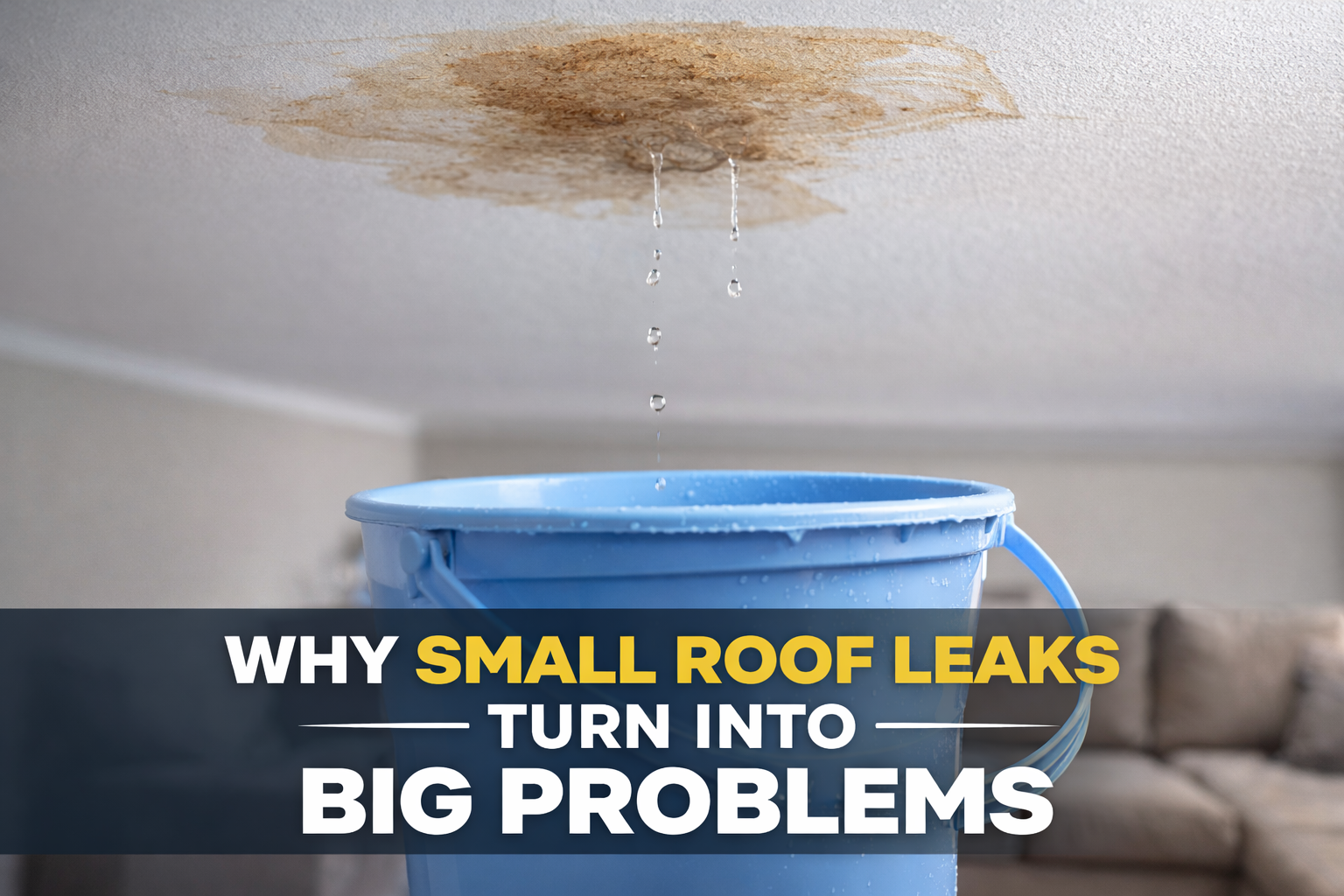
Learn why small roof leaks should never be ignored. Discover how minor leaks lead to major damage, higher costs, mold, and structural problems.
Flat Roof Repairs
By Jesse Phouangphet December 16, 2025
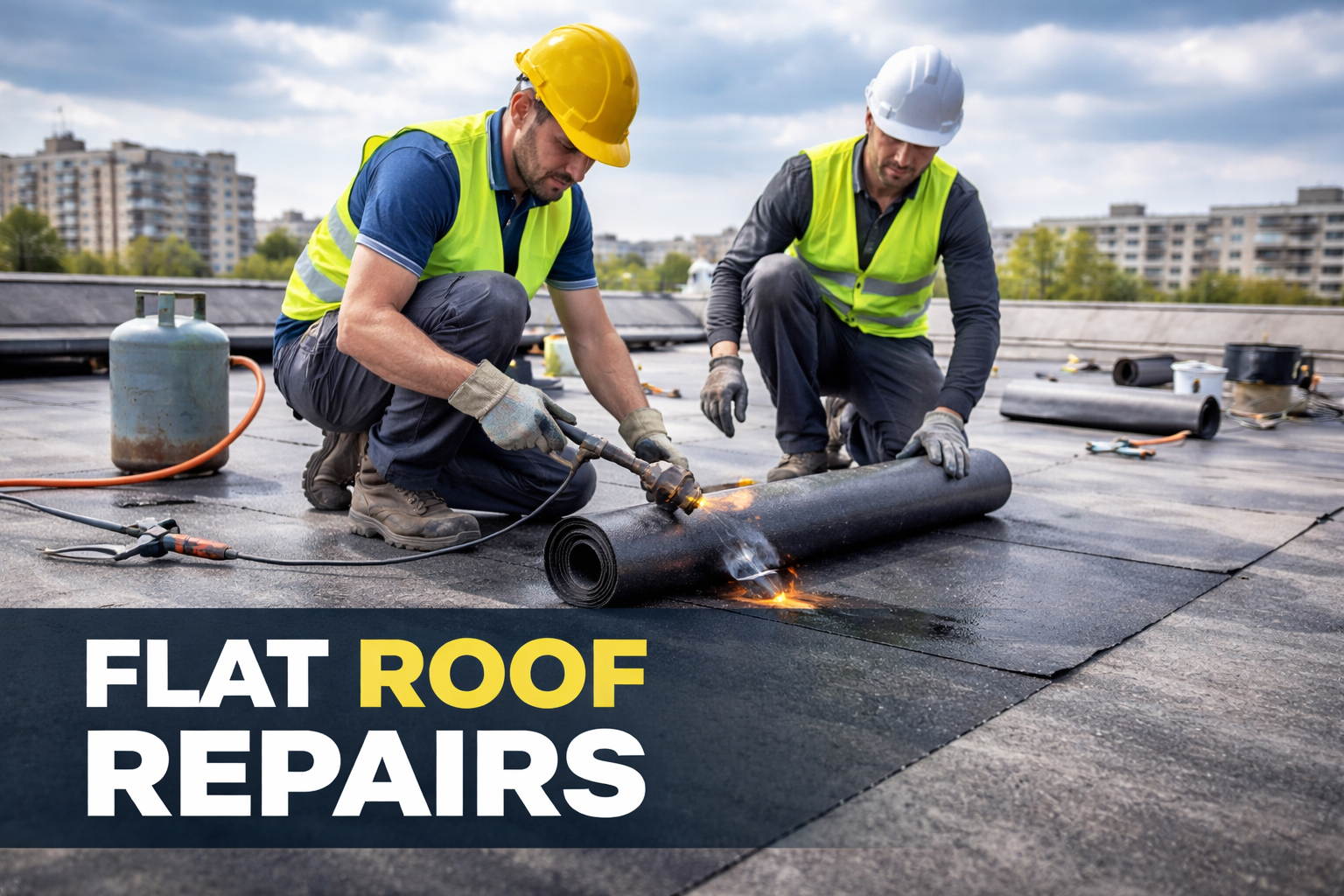
Learn what makes flat roof repairs different from sloped roofs. Understand common issues, materials, drainage problems, and why proper maintenance matters.

Book a Service Today