Flat Roof Repairs: What Makes Them Different?
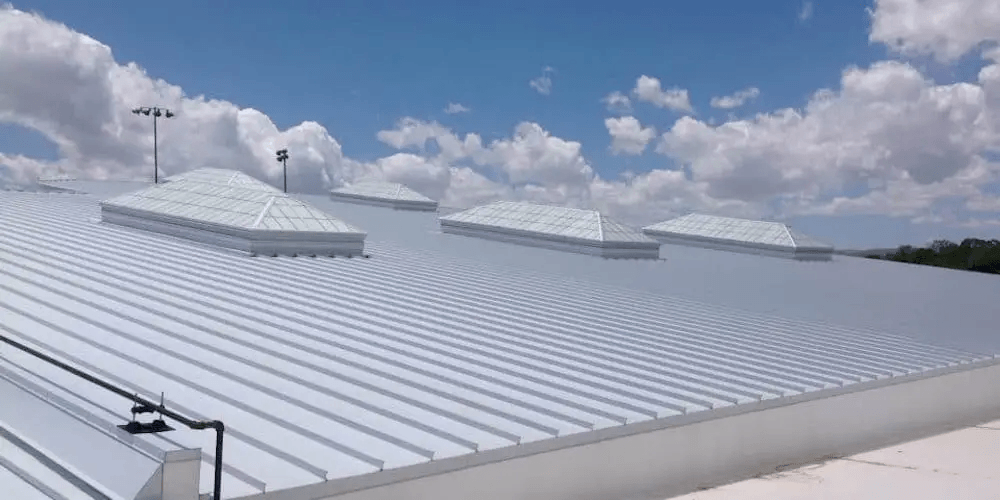
Flat roofs are common on commercial buildings, apartments, and even many modern homes. While they look simple, flat roofs work very differently from sloped roofs. Because of their design, they face unique challenges and need special care when repairs are required. Many homeowners and property managers make the mistake of treating flat roof problems the same way as pitched roof issues, which can lead to repeated damage. In this blog, we’ll explain what makes flat roof repairs different, why they need expert attention, and how early repairs can protect your building for years.
How Flat Roofs Are Designed
Flat roofs are not completely flat. They have a slight slope that helps water drain toward gutters or drains. Unlike sloped roofs that naturally shed water, flat roofs rely heavily on proper drainage systems. Because water stays on the surface longer, flat roofs must be sealed carefully. Any small mistake in design or installation can cause water to pool, leading to leaks and structural damage over time.
Water Drainage Is the Biggest Challenge
One of the biggest differences with flat roofs is water drainage. Sloped roofs allow rain and snow to slide off easily, but flat roofs can collect standing water. This is called ponding water. When water sits on the roof for too long, it slowly breaks down roofing materials. Even small puddles can cause cracks, leaks, and insulation damage if not fixed quickly.
Flat Roof Materials Are Very Different
Flat roofs use different materials than traditional roofs. Common flat roof materials include modified bitumen, EPDM rubber, TPO, and PVC membranes. These materials are designed to create a waterproof seal across the entire roof surface. Repairing these materials requires special tools and techniques. Using the wrong repair method can damage the membrane and make the problem worse instead of better.
Leaks Are Harder to Locate
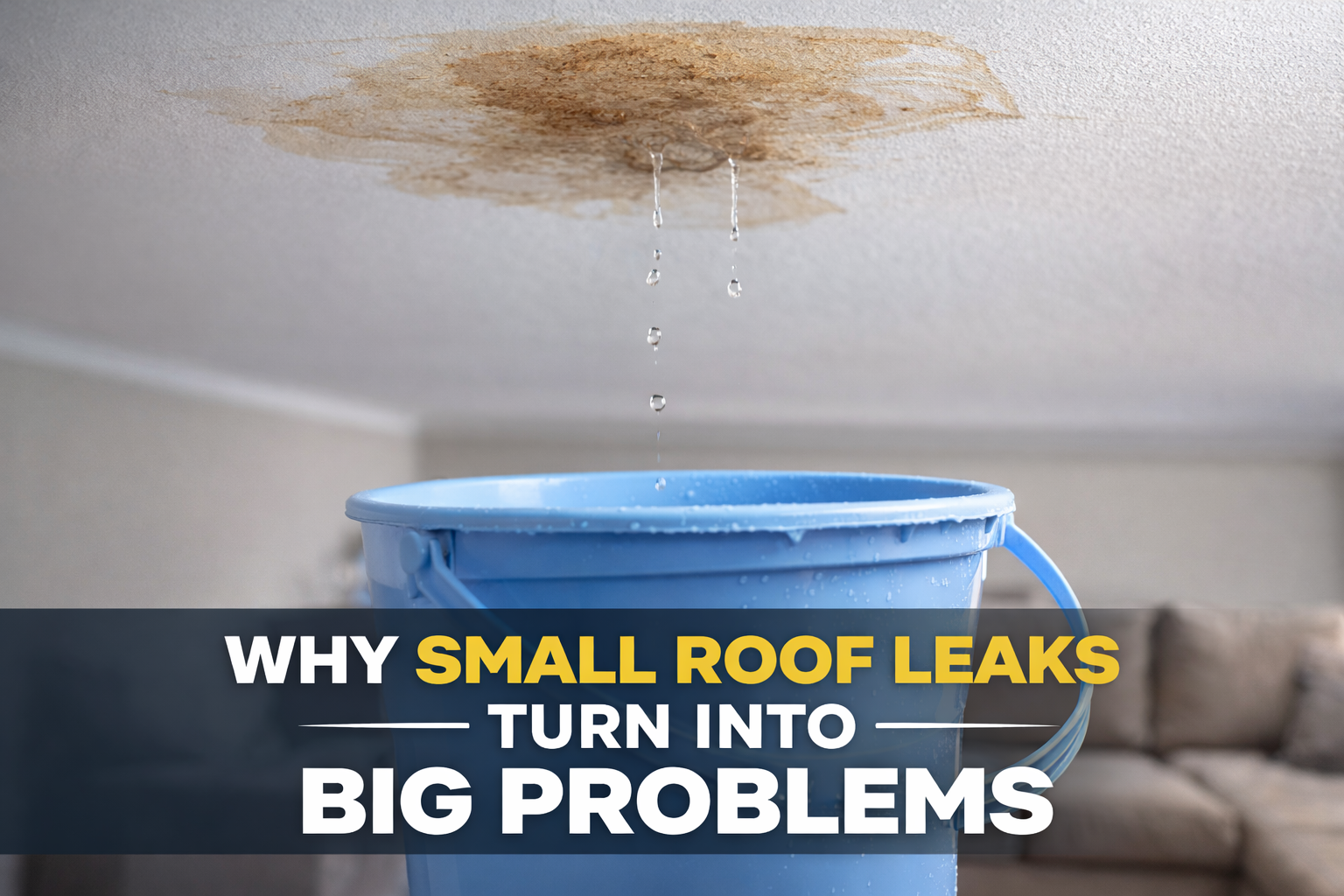
With sloped roofs, leaks usually show up close to where the damage is located. Flat roofs are different. Water can travel under the roof membrane before entering the building. This makes it difficult to find the exact source of a leak. Many times, the visible water damage inside the building is far from where the roof problem actually exists. Professional inspections are often needed to correctly locate and repair leaks.
Flat Roofs Need More Regular Inspections
Flat roofs require more frequent inspections compared to pitched roofs. Leaves, dirt, and debris can block drains and cause water buildup. Small cracks or punctures can go unnoticed until they turn into serious leaks. Regular inspections help catch issues early, reduce repair costs, and extend the life of the roof. Preventive maintenance is especially important for flat roofs because problems can develop quietly.
Foot Traffic Can Cause Damage
Another major difference is foot traffic. Flat roofs are often used for HVAC units, solar panels, or maintenance access. Walking on the roof can cause damage if proper walk pads are not installed. Tools, sharp objects, or heavy equipment can puncture the roofing membrane. Even regular foot traffic can weaken certain areas over time, making repairs more common on flat roofs.
Insulation Issues Are More Common
Flat roofs usually have insulation installed directly under the roof membrane. When water gets through, it can soak the insulation and reduce its effectiveness. Wet insulation leads to higher energy bills and indoor comfort problems. In some cases, insulation must be removed and replaced during repairs, which adds to the complexity of flat roof repair work.
Weather Affects Flat Roofs More
Flat roofs are more sensitive to extreme weather. Heavy rain, snow, heat, and freezing temperatures can all impact the roof surface. Hot weather can cause materials to expand, while cold weather can make them brittle. Over time, this movement leads to cracks and weak seams. Repairs must consider local climate conditions to ensure long-lasting results.
Repairs Must Be Done Correctly the First Time
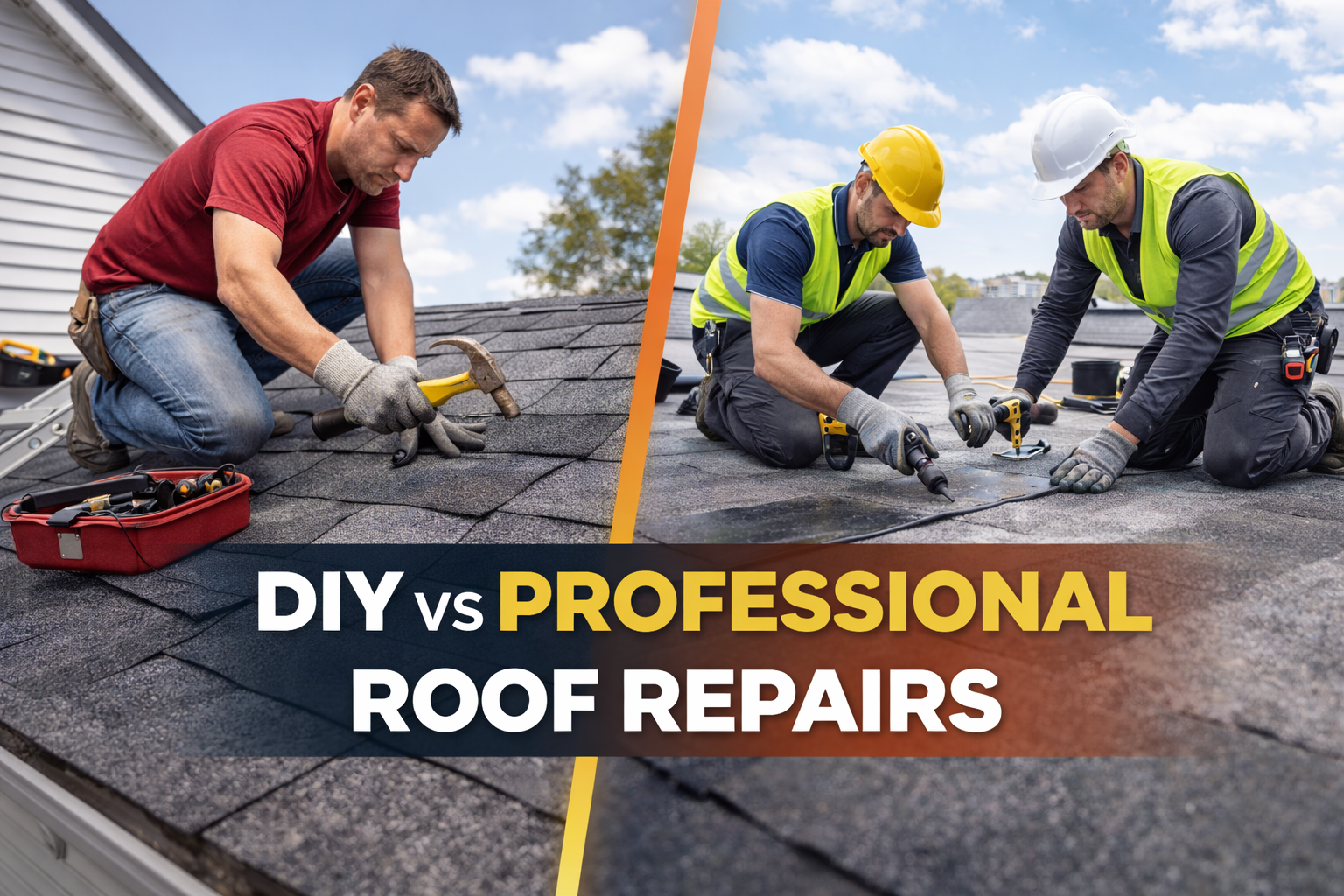
Flat roof repairs are not good DIY projects. Improper patching, poor sealing, or using incompatible materials can shorten the roof’s lifespan. A repair that looks fine at first may fail within months if not done correctly. Professional repair methods focus on restoring the waterproof barrier and ensuring proper drainage, not just covering visible damage.
When Repair Is Better Than Replacement
One advantage of flat roofs is that they can often be repaired instead of replaced. If damage is caught early, targeted repairs can extend the roof’s life by many years. However, ignoring small issues can lead to widespread water damage that requires full replacement. Knowing when to repair and when to replace depends on roof age, material condition, and the extent of the damage.
Conclusion
Flat roof repairs are different because flat roofs behave differently. Water drainage, special materials, hidden leaks, and frequent maintenance all make flat roofs more complex than sloped roofs. Understanding these differences helps property owners take the right action at the right time. Regular inspections and timely repairs can prevent costly damage and keep your building protected. When handled properly, flat roofs can be durable, efficient, and long-lasting.
You might also like
DIY vs. Professional Roof Repairs: What Homeowners Should Know