Types of Storm Damage Your Roof Might Have & What To Look For
From tornadoes, thunderstorms, and hailstorms that bring driving winds and rain, storms can wreak havoc on roofs, siding, and gutters. Some types of roof damage are more evident than others, such as missing shingles or damage from a fallen tree. Other damage isn't always as noticeable, such as damage from hail.
After a severe storm has passed (and it's light outside), it's essential to check your roof and exterior for possible damage. Some insurance companies will claim that the damages were part of general wear and year, which is not covered in most homeowners' policies. So by assessing your roof after severe storms, you can get your insurance claims moving faster to get your roof fixed.
You can also contact a professional roofing contractor near you to schedule a roof inspection. Roofing professionals can spot seemingly hidden damage that you may miss on your inspection- even if you know what to look for.
Types of Storm Damage Your Roof Might Have
Wind, hail, and lots of rain can showcase problems you might not know your home had. This is why it's essential to check your roof and exterior after a storm to see if there is damage.
Whether you or a roofing contractor is inspecting your home's exterior, below is a checklist of types of storm damage your roof might have and what to check.
Wind Damage To Your Roof
Thunderstorms and tornadoes can cause strong winds. Windy gusts can lift shingles right off your roof or push gutters and flashing out of place. This can end up causing water damage to your attic, chimney, interior walls and ceilings, and over time, your foundation.
Shingles are installed to overlap and create a water-tight seal. Unfortunately, when winds lift your shingles, it can break the seal leaving your roof vulnerable to water damage.
After a windstorm, check the exterior of your home:
- Roof Type:
- All Shingle Roofs: Cracked, curling, or missing shingles
- Composition Shingles: Granule buildup in gutters
- Wood Shingles or Shakes: Mold or rot
- Flat Roofs: Tear, cracks, or surface bubbles/wrinkles
- Tile Roofs: Broken or chipped tiles and any separation between tiles
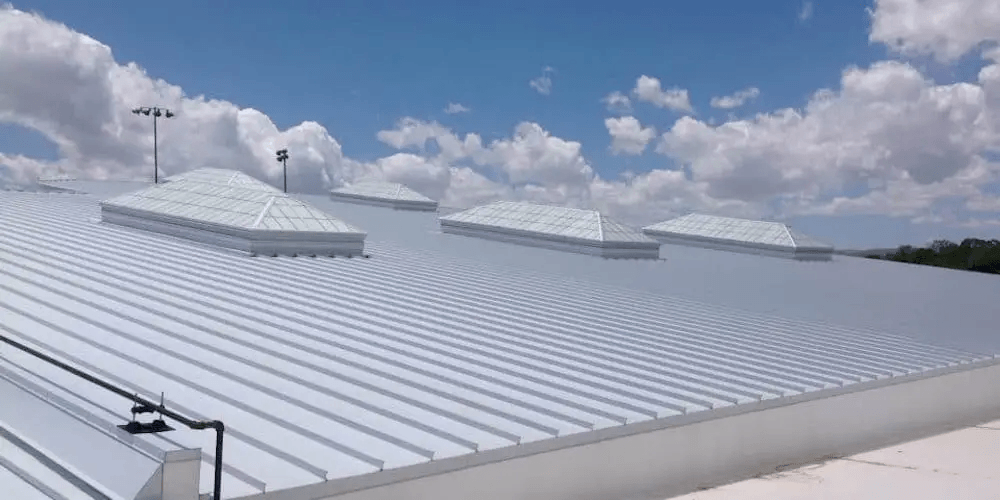
- Metal Roofs: Dents, rusting, or separation between panels.
- Roof support and accents:
- Flashing: Tears or buckling
- Roofing Cement: Loose or crumbling cement
- Gutters and Downspout: Rot, rust, or dented and missing sections
- Chimneys: Loose or crumbling brick
Hail Damage To Your Roof
Hailstorms are easy to detect because you will hear the pellets hitting your roof and windows. But it doesn't always mean you will see the damage from afar.
One step you can take before you check your exterior is to document the time and size of the hail. Take a photo of the largest hailstones you can find against a ruler or a ball (like a golf ball). Documenting this can help if there is damage to your roof, flashings, or gutters.
Hail damage can dent your roof or rip away from your shingles. When your roof is dented from the hail, you will see small dimples, cracks, or breaks in your shingles and on your flashings. These dents or pockmarks in your shingles can knock shingle granules loose. This is problematic because the granules help protect your roof against rain and sun damage.
After a hailstorm, check the exterior of your home for:
- Missing Shingles:
- Ground: You may spot some on the ground near your home before you see them missing on the roof.
- Roof: Look for gaps in the pattern or roof sections exposed.
- Damaged Shingles: Check for shingles that are curled, dented, cracked, or buckling.
- Gutters and downspouts: Check for a buildup of collected loose granules.
- Flashing and downspouts: Check for dented, hanging, or missing pieces.
Falling Debris on Your Roof
Severe storms can not only cause wind and hail damage, but they can also cause trees or other natural debris to fall on your roof. This can cause cracks in your shingles, a bend in your gutters, or damage your flashings, eventually leading to leaks.
After a storm, check your roof and gutters for:
- Large and small debris: Check for damage to the shingles, flashing, or gutters when you find the debris.
- Or call a roofing professional to do a roof inspection for you.
- Recheck your trees and make sure they are at least 6 feet away from any limbs or branches touching your house.
Standing Water on Your Roof, Gutters, or Interior
Nothing is worse than realizing that your gutters aren't draining properly in the middle of a storm. Clogged gutters can cause standing water under your shingles, potentially penetrating the roof deck.
Roofs sometimes also experience problems with standing water after a storm. Standing water left untreated can cause water damage and leaks leading to mold or damage to the structure or foundation of your home.
After a storm, check your home's interior and exterior for standing water:
- Gutters: Check here for water buildup. If water is not draining, it can pool next to your home, causing mold or structural damage.
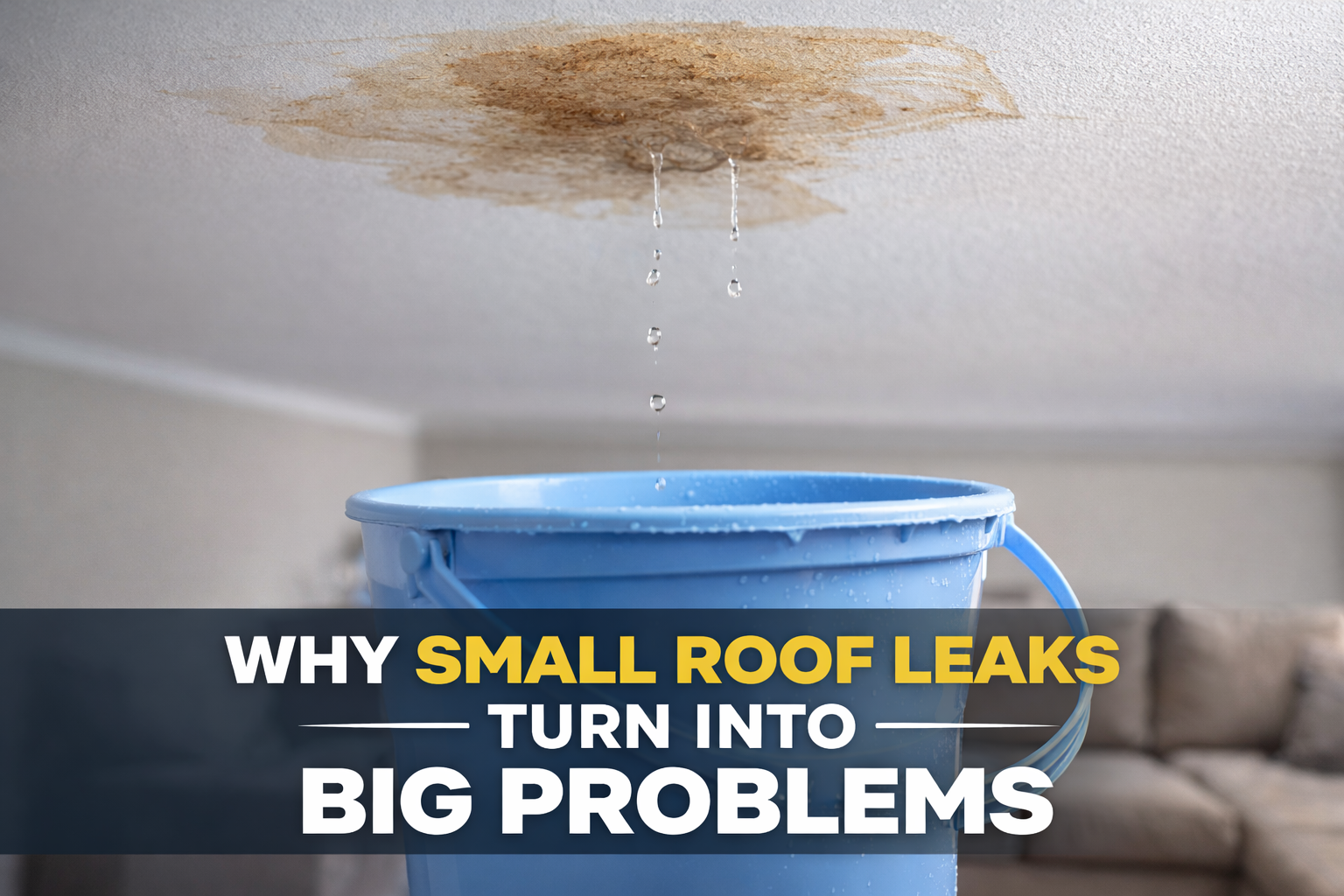
- Ceilings: Check for water spots or discoloration (yellow, copper, or brown).
- Walls: Check for signs or bubbling, peeling, or cracking in the paint or wallpaper.
- Attic, Basement, and Crawl Space: Check for leaks, mold, or wood rot. You might have a musty smell in that area, which can happen 24-48 hours after the storm.
- Flooring: Check for sagging wood that feels soft to touch, gaps, curling floorboards, or expansion in the wood or laminate. Expansion happens when the materials become waterlogged.
- Roof: Check for cracked, curled, or missing shingles.
- Windows: Check for moisture buildup (fog) between glass panes.
Documenting Storm Damage To Your Roof or Exterior
You (or your roofing contractor) should take pictures to document the damage during the roof and exterior inspection.
The documentation you get from the storm damage will need to be sent to your insurance company to help the process run smoothly. They will then send out an adjuster to determine the repair cost for the damages.
Note: Do not start repairs to your roof until your insurance adjuster has approved the claim.
Take Action and Check Your Roof For Storm Damage
Storms come and go, but the damage they can do might start as minor repairs, but left untreated could end up causing significant damage. So be proactive and check your roof for damage after severe storms.
You've come to the right place if you think your roof may have been damaged during a storm. At Accent Roofing Group, we are dedicated to ensuring that residents of the Kansas City area have access to the roofing services they need.
Let the professional roofing contractors inspect your roof for you. After the inspection, you will receive a detailed report about the condition of your roof and, if repairs are needed, what they will cost.
Are you ready for Accent Roofing Group to help you after a storm? Get your free roof inspection.
Contact us today.
You might also like
DIY vs. Professional Roof Repairs: What Homeowners Should Know