How Much Does a New Roof Cost? 7 Critical Factors You Must Know
Replacing a roof is one of the most significant investments a homeowner can make. But let’s face it—trying to answer “how much does a new roof cost?” isn’t always straightforward. Costs vary wildly depending on materials, labor, region, and even your roof's pitch or complexity. This guide walks you through the ins and outs of new roof costs, equipping you with insights to plan, budget, and make informed decisions for one of your home's most important components.
New Roof Cost: The Basics
Before jumping into quotes, understand this: the average roof replacement in the U.S. ranges between $8,000 and $20,000, though high-end materials or complex roofs can push costs above $50,000.
Roof Material Choices: The Price Drivers
Not all roofs are created equal—especially when it comes to price. Your material selection will make up a significant chunk of your new roof cost.
Asphalt Shingles: Budget-Friendly and Popular
The most commonly used material, asphalt shingles, strike a balance between price and performance. They typically cost between $3 and $5 per square foot installed and last 15–30 years.
Pros:
- Affordable
- Easy to install
- Decent durability
Cons:
- Shorter lifespan than premium materials
- Prone to damage in extreme weather
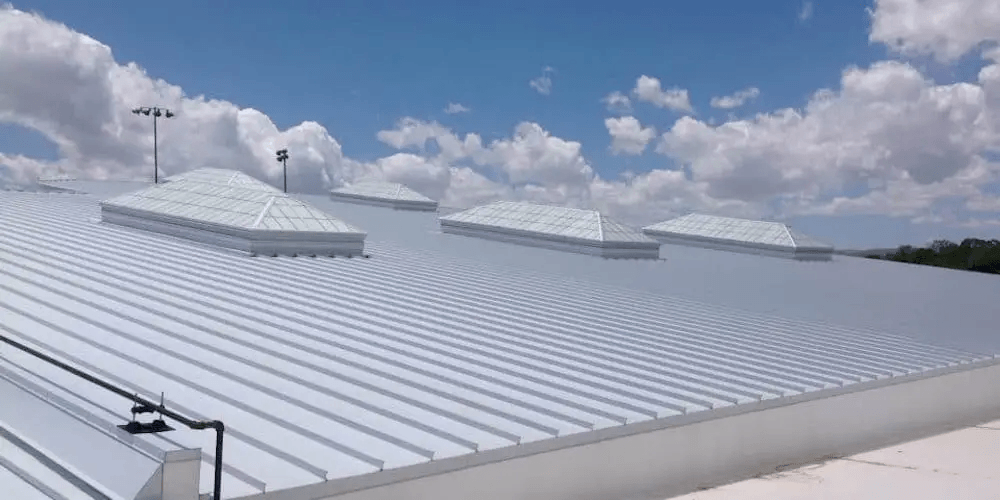
Metal Roof: Modern and Energy-Efficient
Metal roofing has surged in popularity thanks to its longevity (40–70 years) and energy efficiency. Expect to pay $7 to $12 per square foot installed.
Pros:
- Long-lasting
- Reflects heat, lowering cooling bills
- Resistant to fire and wind
Cons:
- Noisy during rain or hail
- Higher upfront cost
Tile and Clay Roofs: Elegant but Heavy
Clay or concrete tile roofs are a top-tier option, commonly found in warmer climates. Prices start at $10 per square foot and can exceed $20 depending on the complexity.
Pros:
- High durability
- Excellent insulation
- Aesthetic appeal
Cons:
- Heavy (may require structural reinforcement)
- Expensive installation
Slate Roofing: The Ultimate Luxury
Slate is the king of durability and elegance but comes with a royal price tag—$15 to $30 per square foot.
Pros:
- Lasts over 100 years
- Stunning natural appearance
- Fire and mold resistant
Cons:
- Extremely expensive
- Requires skilled installation
Labor Costs in Roof Installation
Labor makes up about 40–60% of your total new roof cost. A more complex roof design or challenging weather conditions can increase labor rates.
What Labor Includes
- Removing old roofing
- Disposing of debris
- Installing underlayment, flashing, and new materials
- Safety measures
Region Impacts Labor Rates
Costs in metropolitan areas are usually higher due to demand and wages. Rural areas may offer cheaper services, but choices can be limited.
Roof Size and Pitch: Bigger or Steeper Costs More
Your roof’s size and slope significantly impact overall cost. Steeper roofs require extra safety equipment, time, and labor.
How Size Affects Pricing
Most roofing jobs are priced per “square” (100 sq. ft.). More square footage equals more materials and more labor.
Steep or Complicated Roof Design
Roofs with multiple angles, dormers, or a steep pitch are harder to work on and can increase installation time by 20–30%, increasing labor costs accordingly.
Tear-Off vs. Overlay: Important Cost Factor
You might be tempted to install new shingles over old ones to save money—but is it worth it?
Tear-Off Benefits
- Removes damaged decking
- Ensures longer lifespan for new roof
- Required by most building codes
Overlay Pros and Cons
Pros:
- Lower upfront cost (saves $1,000–$2,500)
Cons: - Shorter lifespan
- May void warranties
- Added weight on structure
Geographical Impact on Roof Costs
Weather, local labor costs, and permitting fees vary from region to region, and they all impact what you’ll pay for a new roof.
For example:
- Florida: Higher prices due to hurricane-rated materials
- Midwest: Lower material costs but higher labor in winter months
- California: Expensive permits and strict building codes
Permit and Inspection Fees
Depending on where you live, roofing permits can cost between $150 and $500. Some municipalities also require inspections before and after installation, adding to the total cost.
Roof Accessories and Add-Ons
Want skylights, chimney flashing, new gutters, or a solar panel-ready setup? These extras can significantly impact the bottom line.
- Chimney flashing: $200 – $500
- Skylight installation: $900 – $2,500 each
- New gutters: $1,000 – $3,000
Warranties: A Pricey But Valuable Protection
Warranties can be split into two categories:
- Manufacturer Warranty: Covers defects in roofing materials (10–50 years)
- Workmanship Warranty: Covers installation errors (1–10 years)
A longer, more comprehensive warranty might increase the initial cost, but it can save money in the long run.
Financing Options for Roof Replacement
Many homeowners finance their roof replacement through:
- Home equity loans
- Personal loans
- Roofing company financing
- Government grants or energy-efficient incentives
Make sure you understand APR, terms, and penalties before committing.
Tips to Reduce Your New Roof Cost
- Get multiple quotes to compare prices and services.
- Time your project during off-peak seasons (late fall or early spring).
- Ask about discounts for referrals or bundled services.
- Inspect your attic to address any underlying issues early.
When Should You Replace Your Roof?
Signs you need a new roof:
- Shingles curling or missing
- Leaks or water damage
- Sagging roof deck
- Moss or mold growth
- Roof age exceeds 20 years (for asphalt)
Roof Maintenance Tips to Prolong Lifespan
- Clean gutters regularly
- Trim nearby trees
- Check for damaged shingles after storms
- Schedule annual inspections
These habits can delay the need for a full replacement.
FAQs
How much does a new roof cost on average?
In the U.S., it typically ranges between $8,000 and $20,000 depending on size, material, and location.
Is a metal roof more expensive than asphalt shingles?
Yes, but it lasts 2–3 times longer and may reduce energy bills over time.
Can I install a new roof over an old one?
In some cases, yes. But it may void warranties and shorten the new roof’s lifespan.
How long does it take to install a new roof?
1–3 days for asphalt shingles; 3–7 days for tile or slate, depending on weather and crew size.
Does homeowner's insurance cover roof replacement?
It might—especially if damage was caused by storms, hail, or fire. Check your policy.
When is the best time to replace a roof?
Late fall or early spring often offers the best balance of availability and favorable weather.
You might also like
DIY vs. Professional Roof Repairs: What Homeowners Should Know